Cart
0
Updated on: 2025-12-13
This guide offers a gentle, practical look at selecting training apparel and accessories that feel comfortable, perform well, and last. You will learn how fabrics, fit, and small design details influence comfort and confidence during workouts. We also clear up common myths, answer frequent questions, and share a brief checklist to help you shop with ease. Whether you are starting a routine or refining your kit, these tips aim to support steady progress.
- Introduction
- Product Spotlight
- Myths vs. Facts
- Frequently Asked Questions
- Final Recommendations
- Q&A Section
- About the Author
Introduction
Finding the right performance fitness gear can feel overwhelming, yet a few simple principles make the process kinder and clearer. It often helps to begin with breathable materials, a comfortable fit, and small details that support your routine. Stitching placement, seam shape, and waistbands all matter more than they first appear. When your apparel moves with you, training feels more inviting and sustainable.
In this article, you will discover how to read fabric labels, what ventilation features do, and why fit is personal. We will also explore care tips that protect fibers, avoid shrinkage, and keep pieces feeling new for longer. You may notice we focus on practical advice instead of trends. This is intentional, as timeless guidance tends to serve both beginners and experienced athletes in a steady, reliable way.
If you enjoy browsing high-quality essentials and learning how they are made, you may appreciate taking a moment to view the collection on HomePluseStudio. As you read, consider what you value most—softness, cooling, support, or flexibility—so you can apply these pointers with comfort and ease.
Product Spotlight
Meet a balanced wardrobe staple: a lightweight, breathable training tee designed for daily movement and easy care. The fabric blend is soft against skin and draws moisture away to help you stay dry. A subtle mesh zone under the arms supports airflow where you need it most. Flat, low-profile seams reduce friction on longer sessions, and the shoulder design allows natural range without feeling restrictive.
Key details that help most people:
- Moisture management: Wicking fibers encourage quick evaporation for cooler comfort.
- Smart ventilation: Targeted mesh panels circulate air without sacrificing coverage.
- Movement-friendly cut: A balanced fit avoids billowing yet does not cling.
- Soft-touch interior: Gentle against skin to reduce distractions and focus on form.
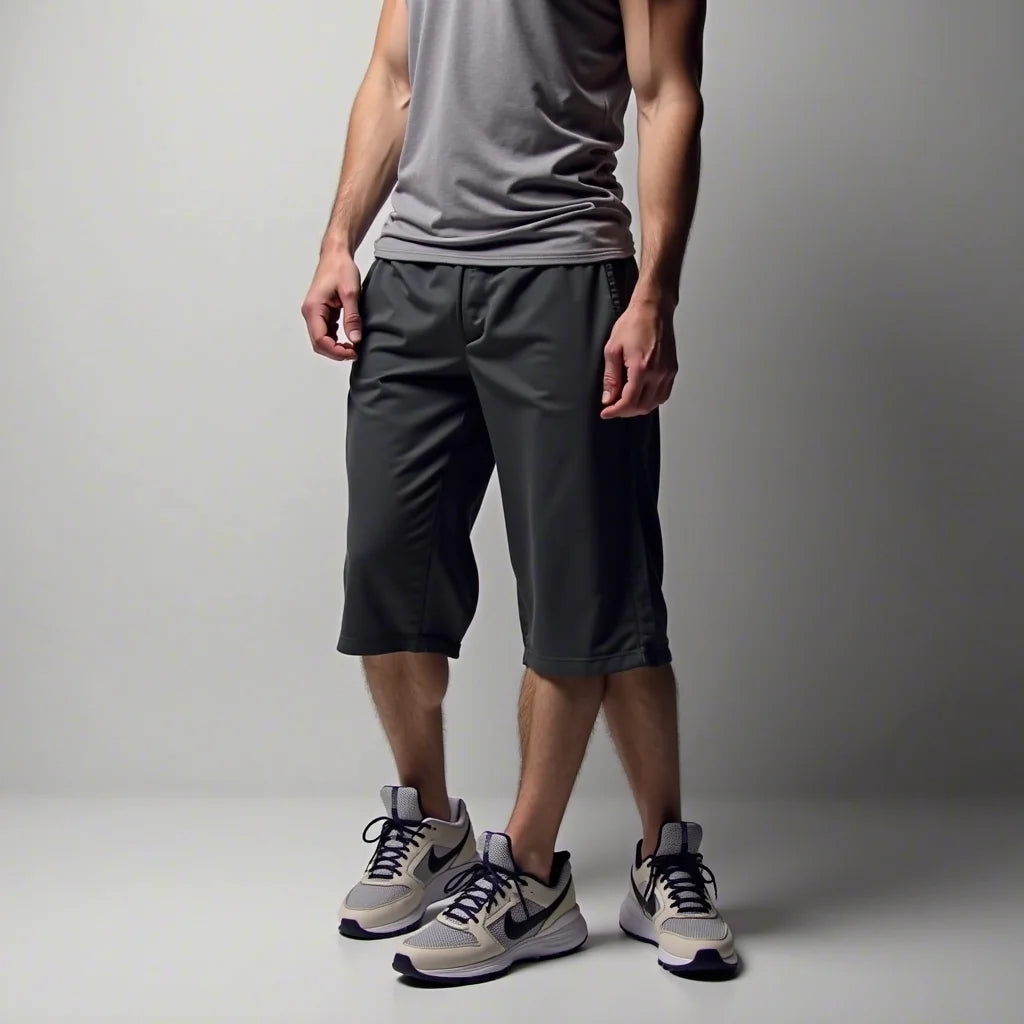
To build a complete, cohesive outfit, pair this tee with supportive leggings or shorts that include a mid-rise waistband and a gusset for ease. Consider training socks with cushioned heels for impact zones and a subtle compression band under the arch. If you would like to explore versatile staples that complement this top, you might enjoy a calm browse through Shop all. When selecting colors, choose tones that match your current wardrobe so your kit rotates naturally and frequently.
Myths vs. Facts
-
Myth: Heavier fabrics are always more durable.
Fact: Fiber quality and knit structure matter more than weight alone. Technical microfibers can be light, strong, and long-lasting when cared for properly. -
Myth: A tighter fit means better support.
Fact: Effective support feels secure yet comfortable. Overly tight pieces can restrict movement and cause discomfort, which may affect consistency. -
Myth: Cotton is best for every workout.
Fact: Cotton is soft and great for rest days, but synthetic blends typically manage sweat more effectively during intense sessions. -
Myth: All stretch is the same.
Fact: Two-way and four-way stretch behave differently. Four-way stretch offers more freedom during dynamic movements like lunges or yoga flows. -
Myth: Care labels are optional.
Fact: Following wash instructions helps preserve elasticity, color, and fabric shape. Cool washes, mild detergent, and air-drying often extend lifespan.
Frequently Asked Questions
-
How do I choose the right size?
Start with your usual measurements and review the brand’s size guide. If you are between sizes, consider your preference: a relaxed feel for layering or a closer fit for studio sessions. -
Which features help with warm-weather training?
Look for mesh zones, laser-cut perforations, and moisture-wicking fibers. Lighter colors can also reflect heat during outdoor activities. -
What should I look for in leggings or shorts?
A mid-rise waistband that lays flat, a gusset for freedom of movement, and opaque fabric for confident coverage. Flat seams help minimize rubbing. -
Are training socks worth it?
Many athletes appreciate cushioned heels and toes, a supportive arch band, and breathable panels. These small features often add noticeable comfort. -
Where can I learn more about the brand?
You can read about values and design philosophy on the About us page, which explains materials, fit testing, and quality checks.
Final Recommendations for performance fitness gear
It may be helpful to make choices that put comfort first. Breathable, sweat-managing fabrics can keep you focused on form. Next, consider movement needs. If you practice yoga or mobility work, prioritize four-way stretch and smooth seams. For runs or circuits, ventilated zones and secure waistbands often feel reassuring.
Build gradually. Start with one or two versatile staples that you can wear several times a week. Neutrals mix and match well, while a single accent color adds personality. Care gently: wash cool, skip fabric softeners that can coat fibers, and air-dry when possible. This approach can preserve softness, elasticity, and shape over time.
When questions arise about fit or pairings, a friendly note to the team may be useful. You are welcome to reach out through the Contact page for guidance on materials, sizing nuances, or outfit coordination. If you prefer to compare pieces yourself, take your time and observe how each item feels across a full range of motion. Your comfort is a reliable signal.
Q&A Section
How tight should compression items feel?
They should feel close to the body without pinching or limiting deep breaths. A gentle, even hold is usually the goal. Try a quick bend-and-reach test: stretch overhead, squat, and twist. If the garment moves smoothly and you can breathe easily, the fit is likely appropriate. If seams dig in or you notice tingling, consider a different size or style.
What fabric is best for hot studios or summer runs?
Lightweight synthetic blends with moisture-wicking properties often feel most comfortable. Look for mesh or perforation in areas that warm up quickly, such as underarms or the center back. A quick “paper test” helps: hold the fabric in front of a light source to see its knit pattern. More visible micro-spaces usually indicate better airflow while still maintaining coverage.
How can I make gear last longer?
Gentle care tends to pay off. Wash on a cool cycle with mild detergent, avoid bleach and fabric softeners, and air-dry flat when possible. Close zippers and fasten hook-and-loop tabs before washing to prevent snags. Rotate pieces so elastic fibers can recover between wears. A small laundry bag can also protect delicate items during a full wash.
About the Author
HomePluseStudio
HomePluseStudio curates thoughtful activewear and training essentials designed to support comfortable, confident movement. Our team focuses on breathable fabrics, easy-care construction, and versatile designs that fit into everyday routines. We hope this guide offers calm, useful clarity as you choose what suits you best. Thank you for spending time with us.
The content in this blog post is intended for general information purposes only. It should not be considered as professional, medical, or legal advice. For specific guidance related to your situation, please consult a qualified professional. The store does not assume responsibility for any decisions made based on this information.